
Trim That Fits and Finishes Clean
Finish carpentry and trim installation services in Kennewick
When baseboards in your Kennewick home are missing, damaged, or outdated, or crown molding along the ceiling looks uneven or incomplete, the room feels unfinished no matter how clean or furnished it is. Trim work defines the edges where walls meet floors and ceilings, covers gaps left by construction, and adds a polished look to living areas, bedrooms, and hallways. Tri-Cities Handyman Services handles finish carpentry and trim installation throughout Kennewick, working with the styles commonly found in local homes and making sure every cut, joint, and corner lines up tightly without gaps or visible mistakes.
Finish carpentry involves installing baseboards, crown molding, door casings, window trim, and chair rails with precision cuts and tight joints that create clean transitions between surfaces. The work requires measuring each piece carefully, cutting angles that fit the corners exactly, and securing trim in place so it sits flush against the wall without gaps or wobbling. Homes across Kennewick include a variety of trim styles, from simple flat profiles to more detailed designs with multiple layers, and the goal is always a finished look that blends seamlessly with the rest of the room.
If you need trim installed, repaired, or upgraded in your home, reach out to discuss the style you want and schedule a time for the work to be completed without disrupting your daily routine.
How Trim Installation and Repair Work
The work starts with measuring the length of each wall and cutting trim pieces to fit, using a miter saw to create precise angles at corners and joints. In Kennewick, you will see the carpenter arrive with baseboard, crown molding, or casing material, along with a nail gun, caulk, wood filler, and sandpaper to finish the installation. Each piece is test-fit before being secured, and any gaps or imperfections are filled and sanded smooth so the trim is ready for paint or stain once the installation is complete.
After trim is installed, you will notice the room looks more finished and intentional, with clean lines where the walls meet the floor and ceiling. Gaps that used to collect dust or show uneven drywall edges will be covered, and the trim will sit tight against the wall with no visible nails or rough joints. If the trim is being painted, you will see a smooth, uniform surface once the final coat dries, and if it is stained, the wood grain will show evenly without blotches or streaks.
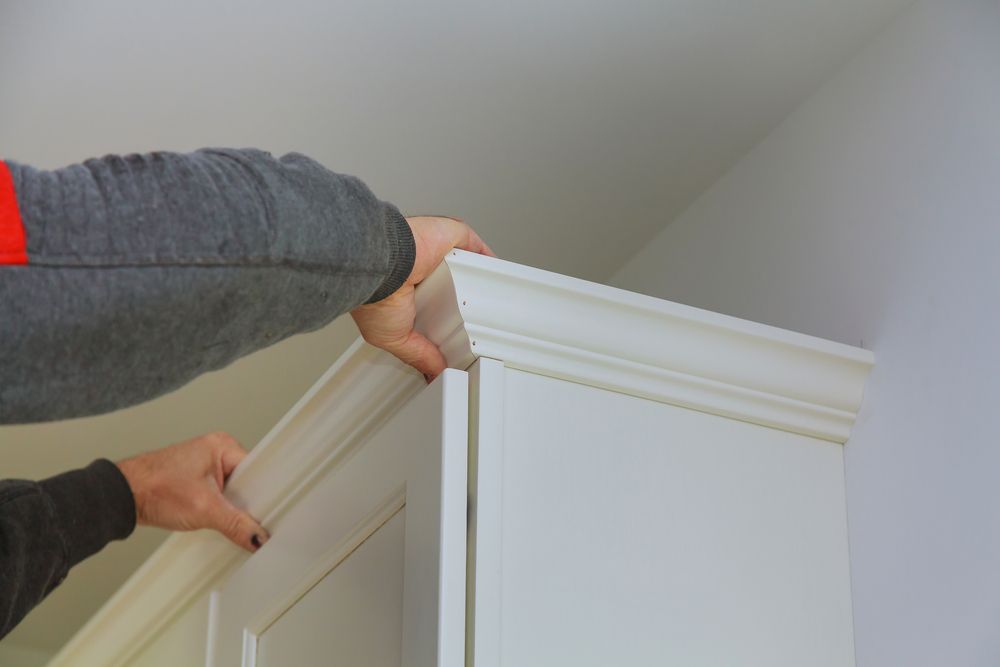
Crown molding installation requires working at ceiling height and cutting compound angles where walls meet at corners, which takes more time and precision than baseboard work. Door and window casings involve framing the opening neatly and making sure the reveal around the edge is consistent on all sides. The timeline depends on the number of rooms being trimmed and whether the material needs to be painted or stained after installation, and the work does not include drywall repair or structural changes unless specifically discussed beforehand.
What You Should Know Before Starting
Homeowners often want to know what trim styles are available, how long installation takes, and whether existing trim can be repaired instead of replaced, so here are answers to the most common questions about finish carpentry and trim work.
Tri-Cities Handyman Services provides finish carpentry and trim installation throughout Kennewick and nearby communities, completing projects with precision cuts and tight joints that give rooms a polished, finished appearance. If you are ready to install or repair trim in your home, contact us to discuss the style you want and get the work scheduled at a time that fits your routine.