Walls That Look Like Nothing Happened
Professional drywall repair and installation services in Kennewick
When you notice a hole punched through a wall in your Kennewick home, or long cracks running along the ceiling seams, the damage sits there every day reminding you something needs fixing. Whether you are dealing with damage from a doorknob impact, settling in an older home, or unfinished walls in a remodel project, drywall work requires the right tools and techniques to make the repair disappear completely. Tri-Cities Handyman Services handles drywall repairs and installations throughout Kennewick, working in occupied homes where you need the mess contained and the job completed without dragging on for weeks.
Drywall repair involves cutting out the damaged section, securing new material to the studs, taping and mudding the seams, then sanding everything smooth so the surface blends invisibly with the surrounding wall. Installation work for remodels or additions follows the same finishing standards, with each coat of joint compound feathered out and sanded until the wall is ready for paint or texture. Homes across the Tri-Cities include both newer builds and older properties where drywall has aged or sustained damage over time, and the goal is always a smooth finish that looks factory-new once the final coat dries.
If you need drywall repaired or installed in your Kennewick home, reach out to discuss the scope of the work and schedule a time that fits your routine.
What Happens During a Drywall Job
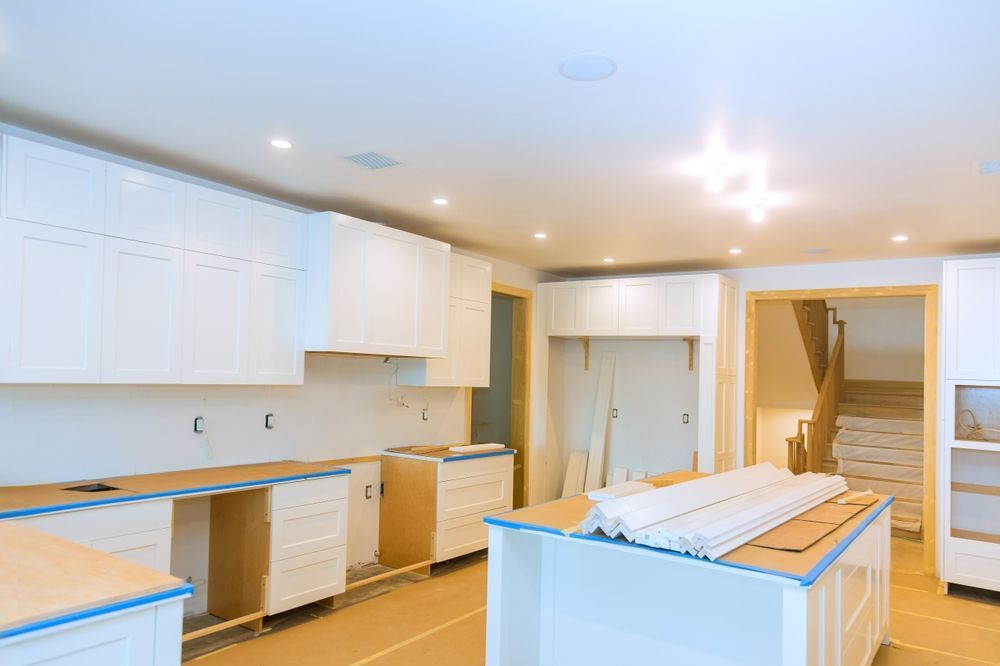
The work begins with assessing the damage or measuring the area that needs new drywall, then cutting material to fit and fastening it securely to wall studs or ceiling joists. In Kennewick homes, you will see the crew arrive with sheets of drywall, joint compound, tape, and sanding tools, and they will contain dust and debris as much as possible while moving through each step. The mudding process involves multiple thin coats applied over tape and screw holes, with drying time between each layer to prevent cracking or bubbling.
Once the final coat is sanded smooth, you will run your hand across the repaired section and feel no ridge or bump where the patch was made. The wall will be ready for primer and paint, and when finished, the repair will blend completely into the surrounding surface with no visible seam or texture difference. You will no longer see the hole, crack, or rough edge that was there before.
Larger installation projects may involve hanging full sheets across entire rooms, which requires careful measurement and cutting around outlets, switches, and corners. The finishing process remains the same regardless of project size, and the timeline depends on the number of coats needed and drying conditions in your home. If your project involves textured walls or ceilings, matching the existing pattern is part of the finishing work to keep consistency throughout the space.
Questions You Might Have About Drywall Work
Homeowners often want to know how long repairs take, whether furniture needs to be moved, and what the finished wall will look like once everything dries, so here are answers to the most common questions about drywall repair and installation.
Tri-Cities Handyman Services completes drywall repairs and installations throughout Kennewick and surrounding communities, working efficiently to restore walls and ceilings to a smooth, finished condition. If you are ready to fix damaged drywall or finish new construction in your home, contact us to schedule the work and get your walls back to looking clean and complete.